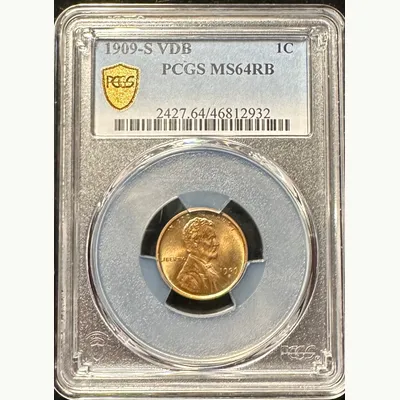
Obverse
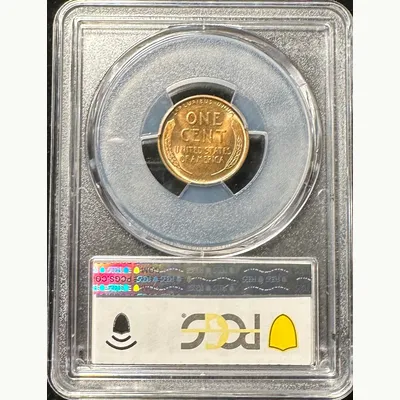
Reverse
1955 Philadelphia Double Die Obverse Wheat Penny
$21 – $15,900
The 1955 Philadelphia Double Die Obverse Wheat Penny was minted at the Philadelphia Mint. Values range from $21 in lower grades to $15,900 in top condition. This is a key date, making it especially sought-after by collectors.
Market Activity
1 recent saleCoinValueDB Price Guide by Grade
| Grade | Value |
|---|---|
Good (G-4)
| $21 |
Very Good (VG-8)
| $28 |
Fine (F-12)
| $38 |
Very Fine (VF-20)
| $85 |
Extremely Fine (EF-40)
| $160 |
About Uncirculated (AU-50)
| $345 |
Mint State (MS-60)
| $480 |
Choice (MS-63)
| $965 |
Gem (MS-65)
Best Value
| $3,050 |
Superb Gem+ (MS-67)
| $15,900 |
Recent eBay Sales
- $2 (Raw)View →
Coin Specifications
About the Lincoln Wheat Penny
The Lincoln Wheat Penny began production in 1909 to mark the centennial of Abraham Lincoln's birth. President Theodore Roosevelt selected sculptor Victor D. Brenner to design the coin. Brenner chose a profile of Lincoln for the obverse and two stalks of durum wheat for the reverse. This design replaced the Indian Head Penny, which had circulated since 1859. Production continued until 1958 with few major changes to the primary design. The mint restored the designer's initials, V.D.B., to the obverse (on Lincoln's shoulder) in 1918. The composition changed from 95% copper to a zinc-coated steel in 1943 due to World War II copper shortages. The series ended in 1958 when the Mint replaced the wheat ears with the Lincoln Memorial design.
Varieties
DDO
Think you have an error or variety? Scan it for free.
Collecting Lincoln Wheat Penny Coins
Start your collection by purchasing a Whitman folder to organize coins by date and mint mark. Focus on the 1940s and 1950s first, as these dates remain inexpensive and easy to find in circulation. Watch for environmental damage like green corrosion or heavy scratching, as these flaws ruin a coin's value. Avoid buying high-value key dates like the 1909-S VDB or 1914-D without third-party certification, because counterfeiters frequently add fake mint marks to common coins.
This series includes key dates — check individual coin pages for rarity details.
Frequently Asked Questions
What is a 1955 Philadelphia Double Die Obverse Wheat Penny worth? +
How many 1955 Lincoln Wheat Cent coins were made? +
Is the 1955 Philadelphia Double Die Obverse Wheat Penny a key date? +
How much is a 1955 Double Die Lincoln Wheat Penny worth? +
How can I tell if my 1955 penny is a real Double Die? +
Related Guides
Related Lincoln Wheat Penny Coins
1909 Philadelphia Wheat Penny
Philadelphia
$0.75 – $805
1909 San Francisco Wheat Penny
San Francisco
$4.5 – $3,075
1909 VDB San Francisco Wheat Penny
San Francisco
$46 – $44,525
1909 VDB Philadelphia Wheat Penny
Philadelphia
$1 – $845
1910 Philadelphia Wheat Penny
Philadelphia
$1 – $725
1910 San Francisco Wheat Penny
San Francisco
$0.75 – $760
1911 Philadelphia Wheat Penny
Philadelphia
$0.75 – $840
1911 Denver Wheat Penny
Denver
$1 – $725
Have a penny? Scan it now.
Get instant identification, condition grading, and market value.
Scan Now — It's Free